2025 Awards
Awards honor alumni, former trainees, and faculty for professional accomplishments, leadership, and service
The UVA Medical Alumni Association is pleased to announce the recipients of our 2025 Awards honoring alumni, former trainees, and faculty of the UVA School of Medicine:
- Walter Reed Distinguished Achievement Award: Andrew G. Lee, MD ’89
- Distinguished Achievement in Biomedical Sciences: Alissa Weaver, MD ’98, PhD ’97
- MD Early Achievement Award: Anne Mills, MD ’08
- Early Achievement Award in Biomedical Sciences: Mami Taniuchi, PhD ’05
- Humanitarian Award: Mohan Nadkarni, MD, Res ’93
- 1819 Alumni Society Award: Frederick L. Greene, MD ’70, FACS
- Outstanding Medical Alumnus Award: J. Cameron Muir, MD ‘93
Congratulations to this year’s recipients, and thank you to everyone who submitted a nomination. Award presentations will be made in the spring of 2026.
Anyone can submit a nomination for a candidate who meets the award criteria, and self-nominations are also accepted. Nominations are reviewed and recipients are chosen by a volunteer committee with diverse areas of expertise. Criteria for each award can be found online, along with a list of past winners and an FAQ.
Nominations for our 2026 awards will be accepted beginning May 1. Please consider submitting a nomination for yourself or a peer for our 2026 Awards!
About Our Award Winners
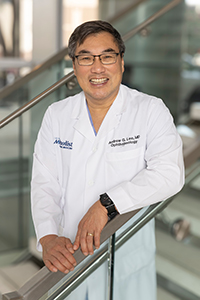
The UVA Medical Alumni Association is pleased to announce the recipient of the 2025 Walter Reed Distinguished Achievement Award: Andrew G. Lee, MD ’89.
Dr. Lee is the Herb and Jean Lyman Centennial Chair in Ophthalmology and is the founding chairman of the Blanton Eye Institute, Department of Ophthalmology at Houston Methodist Hospital in Houston, Texas. He is a professor of ophthalmology, neurology, and neurosurgery at Weill Cornell Medicine and an adjunct professor of ophthalmology at Baylor College of Medicine, Texas A and M College of Medicine, University of Iowa, and the University of Buffalo; and a clinical professor at the University of Texas Medical Branch and the UT MD Anderson Cancer Center.
He received his undergraduate degree from the University of Virginia as well as his medical degree from the UVA School of Medicine. He was an ophthalmology resident and chief resident at Baylor College of Medicine and a clinical neuro-ophthalmology fellow and Fight for Sight postdoctoral research fellow at the Wilmer Eye Institute, the Johns Hopkins Hospital.
Dr. Lee’s research interests are in systemic disorders that affect the eye, and he has a special interest in graduate medical education. He has worked as a consultant for NASA on SpaceFlight Associated Neuro-ocular Syndrome in astronauts and the National Football League for improving accuracy of game official penalty calls on the field.
He has been the invited speaker at over 400 national and international medical meetings. He has written over 600 peer-reviewed publications and 14 full textbooks and has given 15 named lectures. His h-index is 68 and his i-10 is 367 with over 18,000 citations. Dr. Lee has been named one of the Top 30 ophthalmologists in the United States by Newsweek magazine and is the only neuro-ophthalmologist on the list.
He has received a teaching award 15 times at seven different academic institutions including the Osler Excellence in Teaching Award, the Baylor College of Medicine Dan B. Jones Teaching Award, University of Iowa Charles Phelps Award, the Texas A and M Mid Career Education award, the HMH Presidential Excellence in Education, and the Houston Methodist Hospital Sherilynn Gordon Memorial Leadership Award.
Dr. Lee has served in numerous leadership roles at the American Academy of Ophthalmology (AAO) and has received the AAO Achievement Award, Senior Achievement Award, Secretariat Award (three times), and Lifetime Achievement Award. He is a past president, past chairman of the board, and senior vice president for advocacy of the North American Neuro-ophthalmology Society.
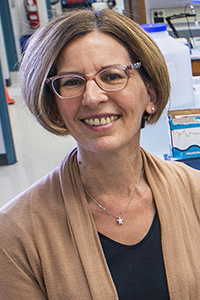
The UVA Medical Alumni Association is pleased to announce the recipient of the 2025 Distinguished Achievement Award in Biomedical Sciences: Alissa Weaver, MD ’98, PhD ’97.
Dr. Weaver is the Cornelius Vanderbilt Professor of Cell and Developmental Biology at Vanderbilt University School of Medicine and director of the Vanderbilt Center for Extracellular Vesicle Research. An elected Fellow of both the American Association for the Advancement of Science and the American Society for Cell Biology, she is internationally recognized for her pioneering work on extracellular vesicles (EVs) in cancer biology.
Dr. Weaver received dual undergraduate degrees in Biological Sciences (BS) and Political Science (BA) from Stanford University before earning her MD and PhD at the University of Virginia. She completed postgraduate training in clinical pathology and cell biology at Washington University in St. Louis and joined Vanderbilt’s faculty in 2003.
At Vanderbilt, Dr. Weaver established a research program at the intersection of cell biology and cancer, focusing on the cytoskeleton’s role in invasion and metastasis. Her group made a landmark discovery that cytoskeletal structures act as hotspots for exosome secretion. This finding revealed that exosomes—small EVs carrying proteins, lipids, and nucleic acids—are not passive byproducts but active mediators of cancer cell migration, invasion, and tumor progression.
The Weaver Lab aims to define how EVs function in cancer and other biological systems. Major research themes include: mechanisms of RNA and protein cargo sorting into EVs; regulation of exosome secretion; functional roles of specific EV cargoes in tumor behavior; and broader contributions of EVs to intercellular communication.
Among the lab’s key discoveries:
- Exosome-driven migration – Demonstrating that exosome secretion is essential for cancer cell motility, directional sensing, and formation of migratory structures such as adhesions and filopodia.
- Angiogenic signaling via exosomes – Identifying ephrin-type adhesion molecules in exosomes that stimulate endothelial cells and recruit blood vessels, uncovering a new pathway of tumor angiogenesis.
- RNA loading mechanisms – Defining pathways that package RNA into EVs, providing insight into EV-mediated communication and offering potential strategies for engineering therapeutic EVs.
Beyond discoveries, the Weaver Lab has developed widely used tools for the EV field, including live-cell reporters of exosome secretion and innovative EV flow cytometry approaches.
Through her research and leadership, Dr. Weaver has significantly advanced the understanding of how extracellular vesicles influence cancer progression and tissue biology. Her work continues to open new avenues for therapeutic strategies that target or harness EVs.

The UVA Medical Alumni Association is pleased to announce the recipient of the 2025 MD Early Achievement Award: Anne Mills, MD ’08.
Dr. Mills is a tenured associate professor of pathology at the University of Virginia. She received her MD from UVA in 2008 and completed anatomic and clinical pathology residency at Stanford University in 2012, subsequently returning to UVA to receive fellowship training in Gynecologic and Breast Pathology and Cytopathology. She joined the UVA faculty in 2015 and maintains a busy clinical schedule that includes surgical pathology, cytopathology, and a consultative service for challenging gynecologic pathology cases submitted from all over the country.
Mills pursues translational research centering on the use of histology, immunohistochemistry, in situ hybridization, and molecular studies to inform a cancer diagnosis, prognostication, and treatment. Her research focuses on rare histologic subtypes of endometrial carcinoma, human papillomavirus-related cancers, heritable and mismatch repair-deficient malignancies, and immunotherapy biomarkers, and she has published over 100 original articles and chapters on these topics. She has used her expertise in these areas in her service as co-chair for the CAP’s Lower Anogenital Squamous Terminology Update project as well as expert panels for the CAP and the American Society for Clinical Oncology’s MMR/MSI Testing for Checkpoint Inhibitor Therapy Guidelines and the Society for Immunotherapy for Cancer’s Gynecologic Cancer Clinical Practice Guidelines Statement. She is active in global societies as a board member for the International Society for Gynecological Pathology and the Arthur Purdy Stout Society of Surgical Pathologists. Finally, she serves on the editorial boards for Modern Pathology, The American Journal of Surgical Pathology, and The International Journal of Gynecological Pathology.
In addition to her clinical service and research endeavors, Mills dedicates her time as program director for UVA’s Anatomic and Clinical Pathology Residency and Gynecologic and Breast Pathology Fellowship Programs. Her teaching has been recognized with numerous accolades, such as the Faculty Teaching Award for Anatomic Pathology (2018), the UVA School of Medicine Master Educator Award for Graduation Medical Education (2018), and through admission to the UVA School of Medicine’s Academy of Distinguished Educators (2019). She was also selected to deliver the prestigious Michele Raible Honorary Lecture for Residents at the annual meeting of the American Society for Clinical Pathology (2022) and delivers invited CME talks on gynecological pathology topics for audiences around the world through organizations such as the United States and Canadian Academy for Pathology, the European Pathology Society, and Scientific Symposiums International. Over the past decade, she has delivered over 60 extramural talks on topics in her expertise.
Mills is passionate about improving patient care at both the local and national level and participates in advocacy efforts with groups such as the College of American Pathologists and the Virginia Society for Pathology. Her efforts were recently recognized through the College of American Pathologist’s Lifetime Achievement Award (2023).
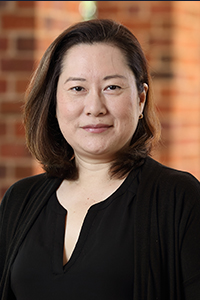
The UVA Medical Alumni Association is pleased to announce the recipient of the 2025 Early Achievement Award in Biomedical Sciences: Mami Taniuchi, PhD ’05.
Dr. Taniuchi is a professor at the University of Virginia (UVA) with joint appointments in the Division of Infectious Diseases and International Health, the Department of Biomedical Engineering, and a courtesy appointment in the Department of Civil and Environmental Engineering. Trained as a biomedical engineer, she brings a unique interdisciplinary approach to infectious disease research, bridging engineering, medicine, and public health to improve health outcomes in low- and middle-income countries (LMICs).
Dr. Taniuchi earned her BSE in Biomedical Engineering from Duke University, followed by an MS and PhD in Biomedical Engineering from UVA. She joined Dr. Eric Houpt’s Laboratory in the Division of Infectious Diseases and International Health as a postdoctoral fellow in 2007, where she quickly demonstrated expertise in molecular diagnostics, research design, and collaborative science. In 2015, she was appointed to the UVA faculty, and by 2025, she was promoted to professor of medicine with tenure.
Her research focuses on developing and implementing molecular diagnostic assays to detect a broad range of infectious diseases and pathogens—including poliovirus, SARS-CoV-2, and other enteric and respiratory agents— for clinical and environmental surveillances in LMICs. She is internationally recognized as a leader in environmental surveillance for infectious diseases and has played a significant role in advancing global efforts in polio eradication, wastewater epidemiology, and enteric disease surveillance. During the COVID-19 pandemic, her work in environmental surveillance provided critical data for the Bangladesh government and advanced wastewater surveillance research for global health agencies, including the WHO and the Gates Foundation. She has delivered more than 40 invited talks worldwide on environmental and clinical surveillance for SARS-CoV-2 and beyond.
Taniuchi has authored nearly 70 peer-reviewed publications and secured approximately $20 million in research funding as principal investigator or co-investigator. She has been honored with the UVA Department of Medicine Excellence in Research Award (2015, 2019) and the UVA Research Award (2022). She also serves on multiple high-level World Health Organization and global consortium working groups developing guidelines for wastewater surveillance of multiple infectious diseases.
Equally dedicated to education and mentorship, she has trained students and fellows across UVA’s School of Medicine, School of Engineering, and global health programs, as well as more than 50 international collaborators. She frequently works on-site in Bangladesh, India, Pakistan, Tanzania, Thailand, and Uganda, where she helps build local laboratory and research capacity. In recognition of her outstanding mentorship, she received the UVA Department of Medicine Excellence in Education Award (2021) and Excellence in Mentorship Award (2024).
Through her interdisciplinary research, global collaborations, and commitment to training the next generation of scientists, Taniuchi continues to advance the field of infectious disease surveillance and global health innovation.
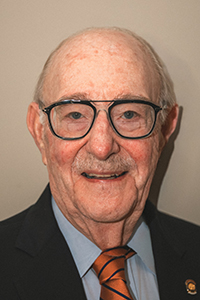
The UVA Medical Alumni Association is pleased to announce the recipient of the inaugural 1819 Alumni Society Award: Frederick L. (Rick) Greene, MD ‘70, FACS.
Dr. Greene received his undergraduate and medical school training at the University of Virginia and completed a residency in surgery and an American Cancer Society Research Fellowship at Yale University School of Medicine. Following residency, he served on active duty with the US Navy as a surgeon aboard the USS Nimitz and as an attending surgeon at Portsmouth Naval Hospital. He was on the surgical faculty of the University of South Carolina from 1980 to 1997, during which he founded the Division of Surgical Oncology at USC and served as chief of surgery at the Dorn VA Medical Center from 1980-87. He served as chairman of the Department of General Surgery and surgical residency program director at Carolinas Medical Center in Charlotte, NC from 1997 to 2012. Dr. Greene currently serves as medical director of Cancer Data Services at the Levine Cancer Institute in Charlotte, NC.
He has participated as an active clinician in surgical oncology and has been involved in organizational work pertaining to cancer over many years. He is a member of a number of editorial boards including the Annals of Surgical Oncology, Journal of Surgical Oncology, The American Surgeon, and the Journal of Registry Management. For the past 35 years he has served as senior editor of General Surgery News. Dr. Greene has served as chair of both the Commission on Cancer (CoC) of the American College of Surgeons and the American Joint Committee on Cancer (AJCC). He has served as vice chair of the TNM Staging Core Group of the International Union Against Cancer (UICC) based in Geneva, Switzerland and has served on the editorial boards of the 6th, 7th and 8th Editions of the AJCC Cancer Staging Manual, which creates and promulgates the TNM cancer staging system utilized for the majority of adult cancers worldwide.
Dr. Greene’s publications have included approximately 200 papers, 60 book chapters, and two textbooks relating to cancer surgery. He is a Fellow of the American College of Surgeons and has served on the board of governors and as vice president of the College. He belongs to numerous surgical organizations including the Society of Surgical Oncology, the Southern Surgical Association and the American Surgical Association. Dr. Greene is a founding member and former president of the Society of American Gastrointestinal and Endoscopic Surgeons (SAGES). He was awarded SAGES’ Distinguished Service Award in 2004 and the Jeffrey L. Ponsky Master Educator in Endoscopy Award in 2012. Dr. Greene served as president of the Southeastern Surgical Congress in 2013-14 and was given the Distinguished Service Award by that organization in 2018. He was the recipient of the 2019 Outstanding Medical Alumnus Award from the University of Virginia Medical Alumni Association. He has also hosted several podcasts including The Recovery Room, Speaking of SurgOnc, Surgical Readings, and Cancer Registry World.
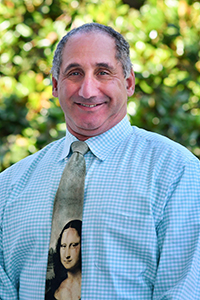
The UVA Medical Alumni Association is pleased to announce the recipient of the 2025 Humanitarian Award: Mohan Nadkarni, MD, Res ’93.
Dr. Nadkarni is the Harry T Peters Jr. Professor of Medicine and chief of the Division of General, Geriatric, Palliative and Medicine at the University of Virginia Health System. He received his undergraduate degree from Harvard University and his medical degree from the University of Pennsylvania. He completed residency at the University of Virginia in 1993 and initially worked for six years at a rural FQHC in Buckingham, Va. He then joined the faculty at UVA in 2000, where he directed University Medical Associates, the resident faculty practice which focuses on care of underserved populations.
He has dedicated his career to caring for vulnerable populations and providing education and training and research related to social determinants of health and its influence on health outcomes. He directs “Social Issues in Medicine,” a required course he founded in 2006 for all first year medical students. UVA medical students have provided over 80,000 hours of community service at local schools and nonprofit agencies as a result of the service learning component of this course. He is also the co-founder of the Charlottesville Free Clinic, where he has volunteered continuously for over 33 years serving over 50,000 uninsured patients. He has been recognized with the American College of Physician’s (ACP) Oscar Edwards Award for Volunteerism and was recognized with Mastership in the ACP. Nadkarni was also recognized as Physician Advocate of the Year by the Virginia Association of Free Clinics. He recently received UVA’s Thomas Jefferson Award for Lifetime Service. Outside of medicine, Nadkarni has seven sons and has coached over 1,000 youth sports games.
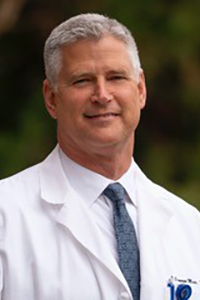
The UVA Medical Alumni Association is pleased to announce the recipient of our 2025 Outstanding Medical Alumnus Award: J. Cameron Muir, MD ’93.
Dr. Muir has been a dedicated and enthusiastic supporter of the University of Virginia School of Medicine, the Medical Alumni Association, and the Medical School Foundation. He has served in key leadership roles including treasurer and president of the UVA Medical Alumni Association Board of Directors, and he has long represented the Class of 1993.
During the pandemic, Muir launched a virtual Friendsgiving video chat for his class, which has now become a meaningful and annual tradition. He has led multiple reunion committee efforts for his class and generously shared his time with students as a mentor through the MedShare student-alumni mentorship program.
On the professional front, Muir is a nationally recognized physician, educator and executive leader in hospice, palliative medicine, and advanced illness care. He is the principal and founder of CMC, Cameron Muir Consulting, LLC, where he works with health care provider organizations, insurance plans and others to help drive innovation and develop or enhance high quality value-based care and payment models. In addition, he serves as the chief medical and innovation officer for the National Partnership for Healthcare and Hospice innovation (NPHI) where he established and oversees the NPHI Innovation Lab. Unique in the advanced illness space, the Innovation Lab focuses on population health, claims analytics, practice optimization, and other systematic approaches to transform advanced illness care organizations to be prepared to participate in value-based care and payment models. He is also a clinical associate professor of medicine at the George Washington University School of Medicine and Health Sciences.